Weegee
1899–1968 · United States
The city under the flash.
The story
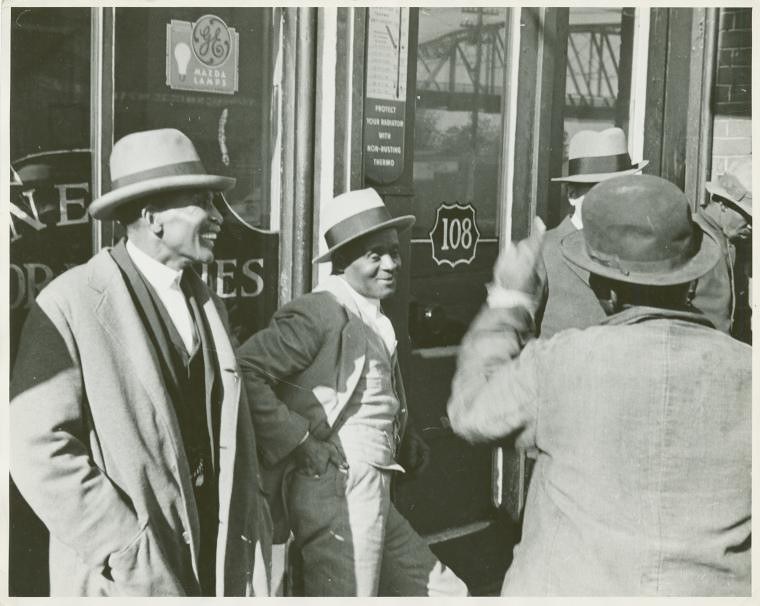
Arthur Fellig, known as Weegee, built his reputation photographing crime and incidents in New York. He followed emergency responses and also photographed onlookers, crowds and moments of leisure. His book Naked City helped shape the metropolis’s visual mythology. He later explored Hollywood and distortion. Spectacle remained a connecting thread: the spectacle of events, but also of the people watching them.
Understanding the work
Shift attention from the event to the spectators. Flash illuminates a scene, but can also reveal curiosity, spectacle and the photographer’s position.
Key works and series
Naked City; New York crime and incident photographs; crowds; distorted portraits.
Sources & further exploration
Works in collections.
10 recordsPhotographs to explore on museum and library websites, with titles, dates and processes. Each link opens the collection record and its image where one is available.