Man Ray
1890–1976 · United States / France
The image as a laboratory.
The story
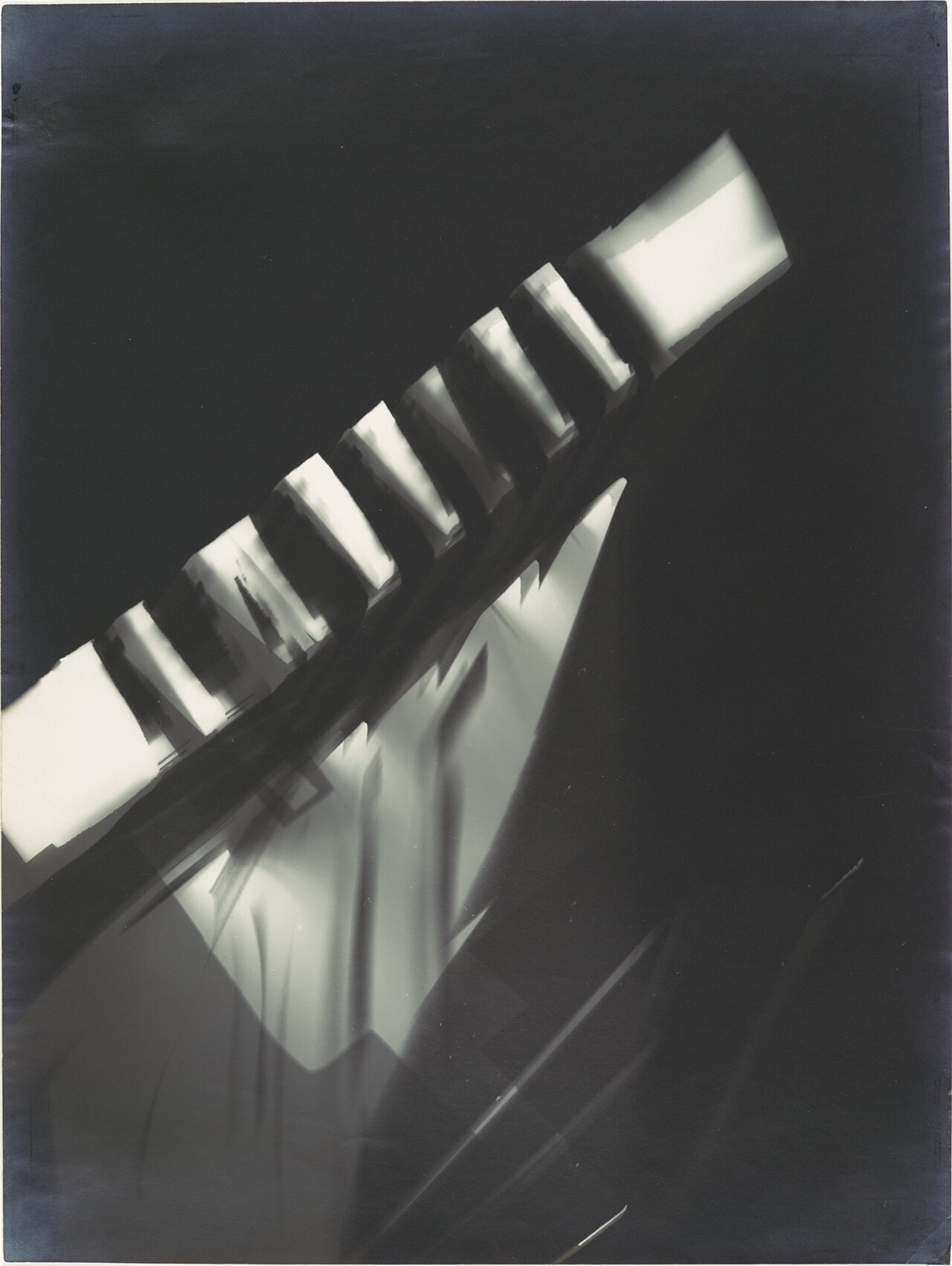
Settling in Paris in the 1920s, Man Ray moved between Dada and Surrealist circles. Painting, objects, films and photographs informed one another in his practice. His rayographs made images without a camera by exposing objects on light-sensitive paper. Portraits and fashion images were also part of his work. Experimentation was not a technical exception: it became a way to question what an image could be.
Understanding the work
Ask how an image was made before asking what it depicts. Shadows, displaced objects and traces of light can turn an ordinary subject into an enigmatic situation.
Key works and series
Rayographs; Le Violon d’Ingres; portraits; solarisations.
Sources & further exploration
Works in collections.
10 recordsPhotographs to explore on museum and library websites, with titles, dates and processes. Each link opens the collection record and its image where one is available.