A portrait is an encounter
Light, distance and the relationship with the person matter as much as expression.
A portrait shows a situation
A photographed face does not give direct access to someone’s inner life. It results from an encounter, a position, light, an instant and a use. An expression may be ambivalent; clothes or a setting may be interpreted differently by different viewers. Begin by clarifying the project’s framework: a portrait chosen with the person, a commission, a working document, a personal series or a staged image. This clarification takes nothing from the portrait’s strength. It helps establish what kind of relationship the image offers.
Prepare the encounter
Explain why you want to photograph the person, where the images might appear and what they may refuse. Allow time for questions. In a short session, a few minutes of conversation may affect the sitter’s openness as much as a technical accessory. Pay attention to what changes when the camera is raised. Some people become very performative; others freeze. You do not have to erase these reactions, but recognise that they are part of the situation. A convincing portrait does not require catching someone by surprise or making them uncomfortable.
Choose distance and scale
A close-up gives the face a strong presence but removes information about the body and surroundings. A wider portrait can reveal gestures, objects and a relationship to place. Physical distance and focal length alter proportions and the feeling of proximity. Try moving rather than standing still and only changing the zoom. Observe the space left around the head, hands and gaze. A cropped detail may be an apt choice; it may also create a tension you had not noticed.
Light is a language of relationships
A window can be enough to study the volume of a face. Vary the person’s position relative to this source and observe the transitions between light and dark areas. Soft lighting does not make a portrait more sincere than hard lighting. Shadows do not prove a character, any more than sharp focus proves intimacy. Choose light that serves your approach and remains comfortable for the person. Watch the background too: a small bright surface behind the head can draw attention away from the face.
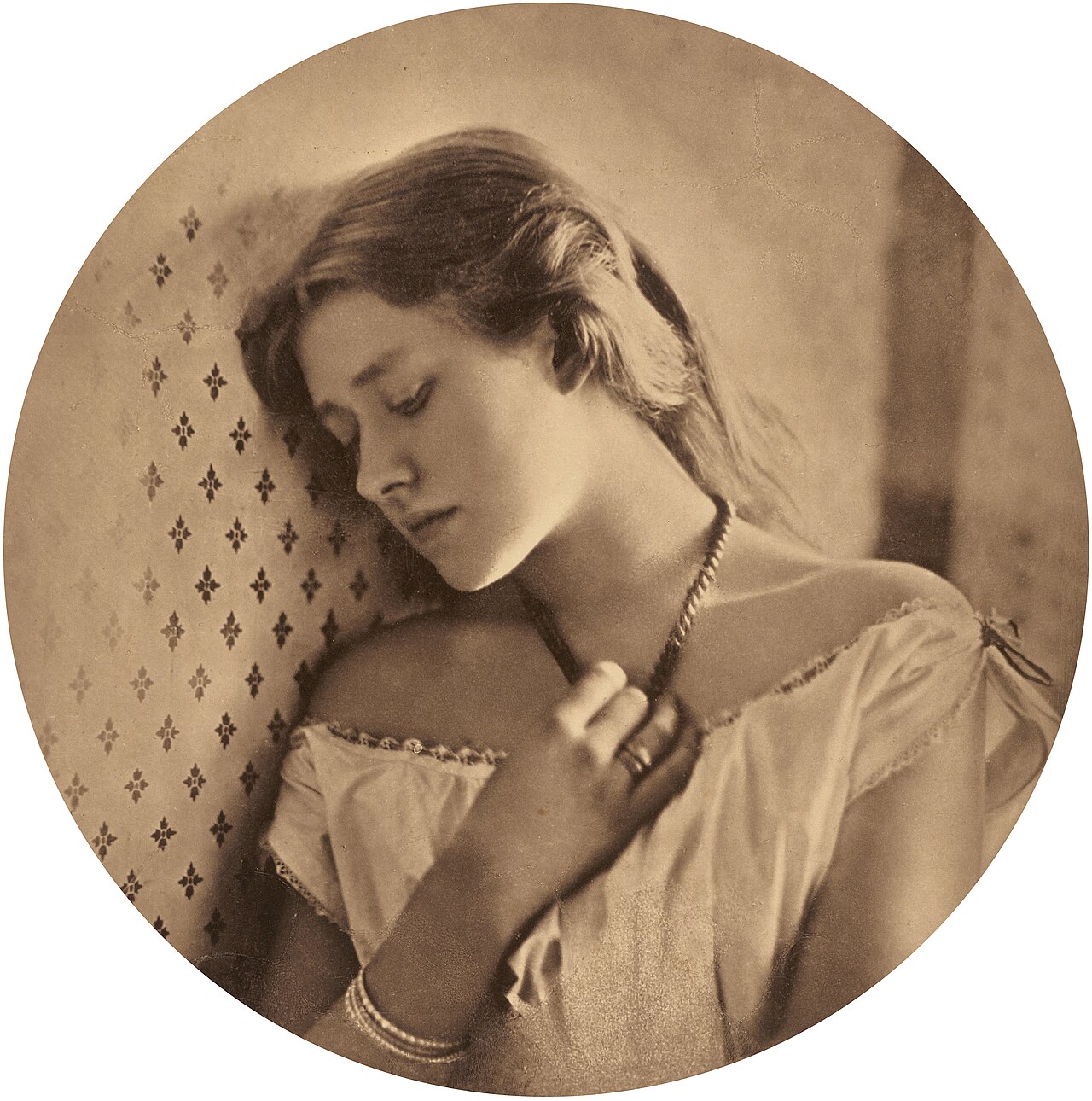
An example: Julia Margaret Cameron
The V&A presents Julia Margaret Cameron’s explorations of close framing, light and focus. Consult several portraits rather than one emblematic image. Describe how the face stands out, how much of the body appears and what the background reveals. Blur may be a visual decision, a consequence of the process or a combination of factors; the catalogue record and study of the work help clarify each case. For your own practice, retain the possibility of a strong intention without making technical imperfection an automatic virtue.
Choose with the person without oversimplifying
A contact sheet or working selection allows discussion of what the images expose. The photographer’s preferred portrait and the sitter’s may differ for good reasons. Listen to those reasons before defending your image. In an editorial project, the final decision also depends on agreements and context; do not promise control you cannot guarantee. Check names, captions and personal information. An image may be acceptable in a private exchange but become intrusive when accompanied by an unnecessary biographical detail.
Exercise: three portraits, three relationships
With a willing participant, make three portraits: a close frame, a portrait in their environment and an image built around a gesture. Keep the same light as far as possible. Then ask what each image seems to tell them, without suggesting your own words first. Write a factual caption and a separate statement of intent. Finally, choose together a photograph that can be shown and specify its destination. This exercise concerns how you explain the project as much as how you set the camera.
Glossary and points to watch
Sitter: the person taking part in the portrait; pose: the arrangement of the body; environmental portrait: a presence connected to a setting or activity; depth of field: the range of sharpness considered acceptable; selection: choosing among several exposures. Pitfalls include claiming to have captured a “true personality”, assigning a psychological state to an expression, retouching a face without discussing the result or using a background as a social shortcut. A portrait can be intense and constructed, tender and distant, descriptive and open. Its interest comes from this precision, not a promise of total truth.
An original Luisour guide. The exercises are learning suggestions, not statements of the photographers’ intentions.